27 Apr 2026
Klang Neighbourhood Guide: What to Check Before Choosing a Property Location

Key Takeaways
- Choosing the right property in Klang starts with reading the Klang neighbourhood guide, not the floor plan.
- Mature Klang South townships like Bandar Botanic and Bandar Bukit Tinggi carry a track record, you can verify before you visit a showroom.
- Drainage infrastructure, highway access, commercial completeness, and school proximity are the four signals that separate a well-planned township from one that looks good in a brochure.
- Freehold tenure is standard across most Klang South townships, but what the land sits next to matters as much as what it’s titled as.
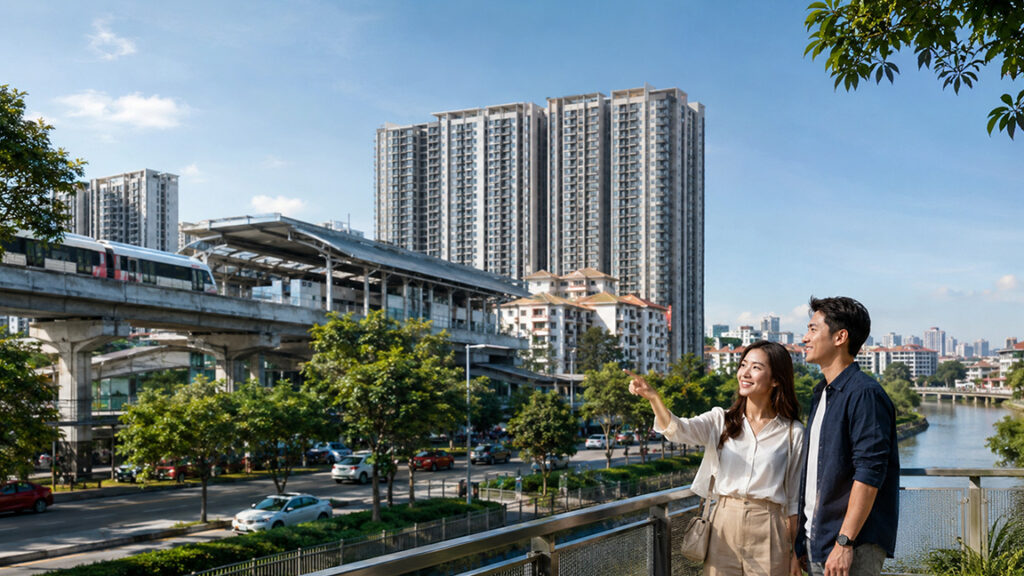
- Transit-oriented Klang property location near the incoming LRT3 Bandar Bukit Tinggi station adds a layer of long-term value that most buyers underestimate at the point of purchase.
Introduction
What Does “Reading a Neighbourhood” Mean for Property in Klang?
Neighbourhood reading entails judging the environment surrounding a property prior to evaluating the property. In essence, it is about a neighbourhood guide to Klang, where you read about the streets, infrastructure, and surroundings of the property, prior to unlocking the door to a unit. When it comes to property in Klang, these can be viewed through five tangible lenses: engineering of the township, drainage systems of the township, connectivity of the township to the Klang Valley, commercial and educational infrastructure of the township, and land use around the property. It is these five factors that decide the performance of the property for an occupant, rather than unit finishes or the reputation of the developer.The First Signal: How the Township Was Designed?
A township’s master plan is readable from the street. Planned townships in Klang South follow a design logic that separates residential, commercial, and recreational zones into distinct parcels. The road hierarchy is deliberate:- Primary roads are designed to handle through-traffic efficiently across the township.
- Secondary roads primarily serve residential precincts and reduce unnecessary vehicle flow near homes.
- Pedestrian paths connect parks, amenities, and neighbourhood facilities without crossing major roads.
- Schools, kindergartens, community halls, places of worship, and local shops are connected through landscaped green corridors.
- Reduced pedestrian-vehicle conflict within residential areas and public spaces.
- Quieter internal living environments despite the surrounding road and commercial activity.
- Bandar Botanic became Malaysia’s first waterfront parkland township with a self-sustaining urban stormwater management system.
- The township received the FIABCI Property Award 2003 for Best Master Plan.
- It also secured the Edge-PEPS Value Creation Excellence Award across multiple years.
- Bandar Bukit Tinggi 1 (BBT1)
- Bandar Bukit Tinggi 2 (BBT2)
- Bandar Bukit Tinggi 3/Bandar Parklands
The Second Signal: Drainage and Flood History
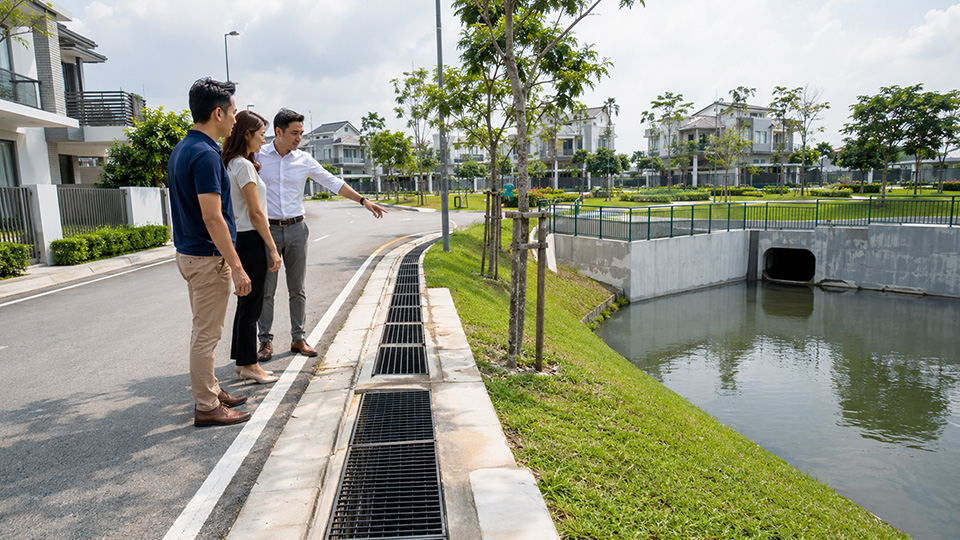 In Klang, drainage is not a minor technical point. It’s a foundational one. Parts of Klang have well-documented flood exposure. The Klang Royal City Council (MBDK) allocated RM182 million under the Klang Sustainable Stormwater Plan (KLASS) for flood mitigation works between 2025 and 2030.
Areas identified for mitigation work include:
In Klang, drainage is not a minor technical point. It’s a foundational one. Parts of Klang have well-documented flood exposure. The Klang Royal City Council (MBDK) allocated RM182 million under the Klang Sustainable Stormwater Plan (KLASS) for flood mitigation works between 2025 and 2030.
Areas identified for mitigation work include:
- Sungai Kapar Indah and Bandar Sentosa.
- Bandar Puteri and Taman Klang Utama.
- Taman Teluk Pulai, Taman Chi Liung, and several older residential areas.
- The Central Lake functions as a flood retention feature, not only a park.
- More than 180 acres of parks and waterways also support drainage management.
- Check the road edge nearest to the lowest point of the street.
- Look for discolouration on kerbs and lower walls from past water deposits.
- Ask long-term residents, management offices, or residents’ committees directly about flood history.
The Third Signal: Highway Access and the Commute Calculation
Klang South’s modern townships are connected to the Klang Valley by an unusually dense highway network. The Bandar Botanic and Bandar Bukit Tinggi corridor are accessible through multiple major routes, including:- Shah Alam Expressway (KESAS)
- North-South Expressway Central Link (ELITE)
- North Klang Straits Bypass
- Kemuning-Shah Alam Highway
- Federal Highway
- New Klang Valley Expressway (NKVE)
- South Klang Valley Expressway (SKVE)
- Damansara-Puchong Expressway (LDP)
- The distance from Klang to Mid Valley is roughly 30 to 35 kilometres, depending on the route.
- During off-peak hours, the drive can take under 30 minutes.
- During peak hours, without multiple highway alternatives, the same journey can take over an hour.
- Commutes to Bandar Utama and Glenmarie no longer require a car.
- Residents gain direct connections to the wider KL transit network.
- Daily travel becomes less dependent on highway traffic conditions.
The Fourth Signal: Commercial Completeness and Daily Living
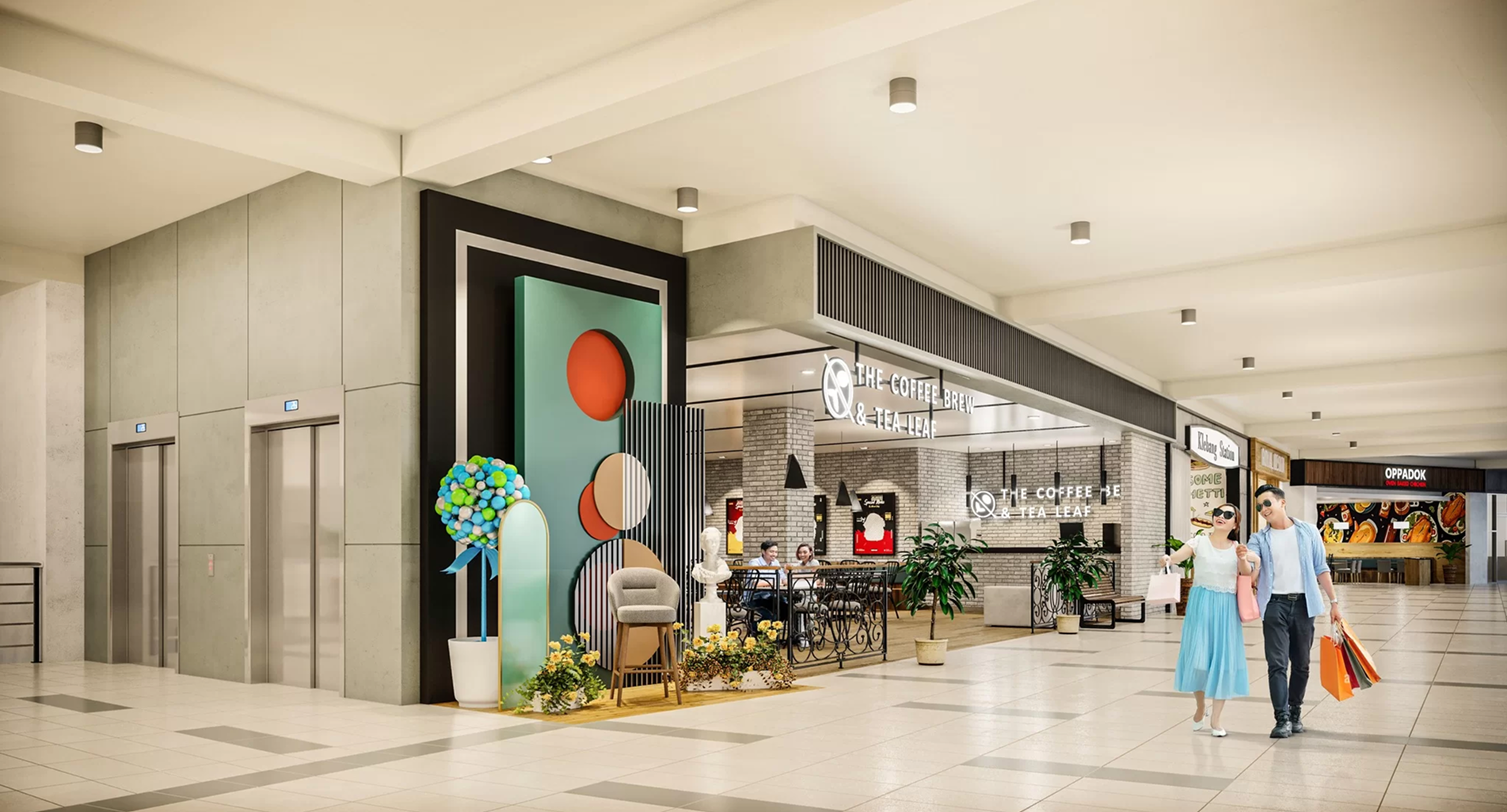
One of the clearest differences between a mature township and a developing one is the state of its commercial strip. A mature commercial zone already has a full stack of daily-use services operating, including:- Wet markets or supermarkets for daily groceries.
- Pharmacies, clinics, and healthcare services.
- Bank branches, coffee shops, and petrol stations.
- Hardware stores, salons, and neighbourhood convenience outlets.
- GM Klang Wholesale City
- AEON Bukit Tinggi Shopping Centre
- Giant Hypermarket and Tesco/Lotus’s
- Manipal Hospital Klang
- Tengku Ampuan Rahimah Public Hospital
- Klinik Kesihatan Klang
- Multiple bank branches and F&B options across price points
- A sick child
- An elderly parent
- Non-emergency medical situations
The Fifth Signal: What the Land Around You is Going to Become?
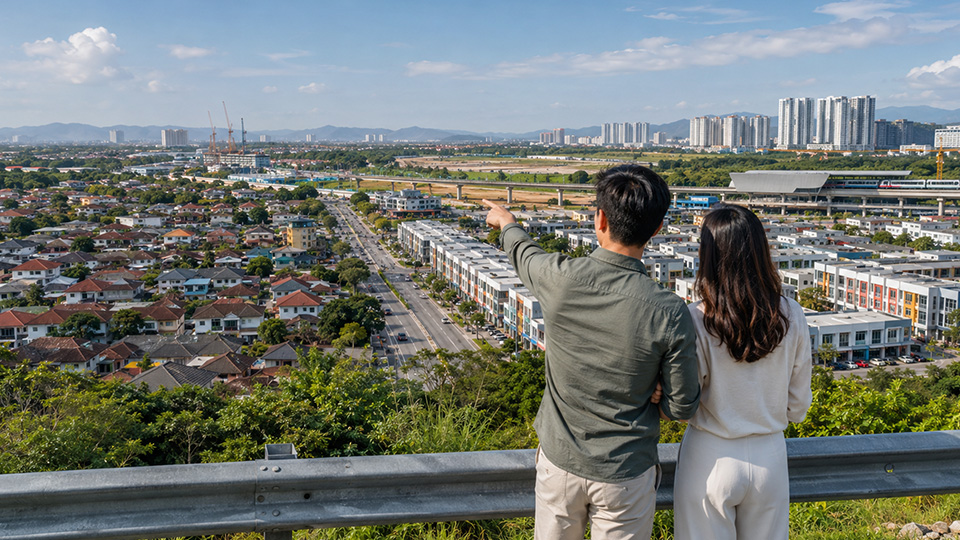 One of the most overlooked signals in a neighbourhood evaluation is the land use immediately adjacent to the property. A home surrounded by built, occupied residential precincts on three sides faces a different future from a home with two vacant lots next door and a zoned commercial development 200 metres away.
The difference is straightforward:
One of the most overlooked signals in a neighbourhood evaluation is the land use immediately adjacent to the property. A home surrounded by built, occupied residential precincts on three sides faces a different future from a home with two vacant lots next door and a zoned commercial development 200 metres away.
The difference is straightforward:
- A fully built and occupied area is generally more stable and predictable.
- Areas still under active development can face years of construction noise and changing land use patterns.
- Entry prices in completed townships are often higher because the environment is already established.
- The residential precincts are already complete and occupied.
- The Botanic Capital commercial district is active and functioning.
- The surrounding perimeter is defined by mature townships such as Bandar Puteri, Bandar Parklands, and Glenmarie Cove.
Is Property in Klang Worth Choosing Based on Neighbourhood Alone?
For the savvy buyer who has performed a proper neighbourhood evaluation, buying in a developed township of Klang South provides a unique package that is hard to replicate in other parts of Klang Valley: freehold, matured infrastructure of amenities, highway redundancy, and improved public transport connections in an area proven to have value-retention characteristics. It is not hard to read the neighbourhood signals. The infrastructure is already in place. What comes later is the rail link which complements the existing environment.FAQs
- What should I examine in a Klang neighbourhood before purchasing property?
- Which areas in Klang have the most mature township development?
- How does LRT3 impact the choice of property location in Klang?
- Does Bandar Botanic flood easily?
- What is township living like for residents of Klang compared to apartment living in a city centre?
Conclusion
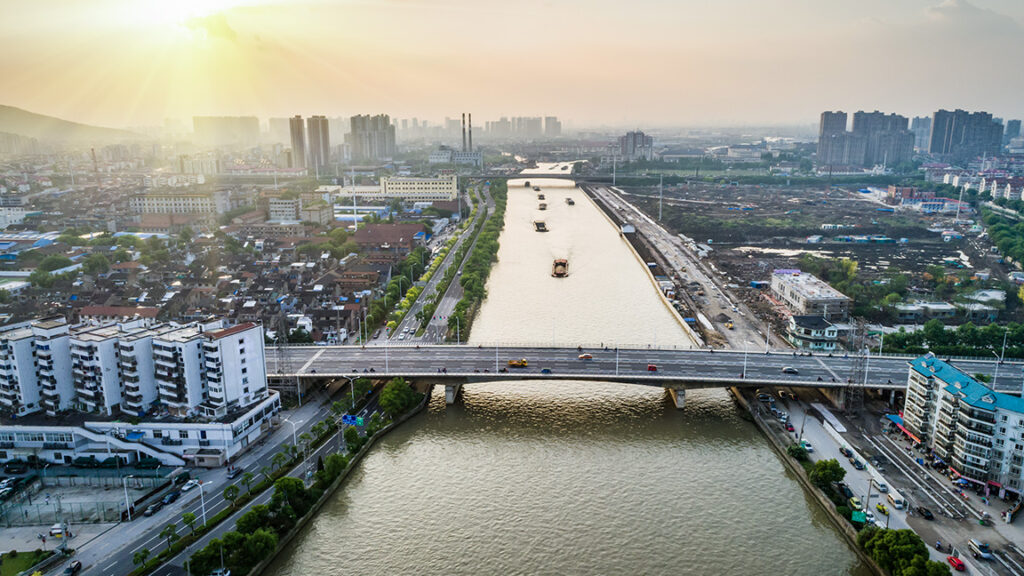 Everything there is to know about a neighbourhood is revealed even before setting foot into a house. All the cues in Klang South make perfect sense: the quality of master planning, the drainage engineering, the highway connectivity, commercial viability and the consistency of land use on the outside will all tell you everything you need to know.
Here is your Klang neighbourhood tour in real life: begin with the streets and waterways, then move onto the commercial road, and finally, the land beyond the fence.
Ambang Residensi positions its buyers just opposite the future Bandar Bukit Tinggi LRT3 station in the already matured Bandar Botanic area, flanked by established neighbourhoods such as Bandar Puteri, Bandar Parklands and Bandar Bukit Tinggi. Freehold residential project comprises 618 residential units with build-ups of 700 sq. ft. up to 1,238 sq. ft. together with Dual Key and Trio-Key designs.
If you are looking to purchase real estate in Klang, then making your decision by beginning from the ground up as opposed to the showroom level is how to do it. Since it is close to major highways like KESAS, NKVE, Federal Highway, and WCE, as well as existing schools, malls, hospitals, and business centres, Ambang Residensi is located in an area that is already working and not just developing.
Sign up now to find out more about the residential and two-story shopping opportunities at Ambang Residensi.
Everything there is to know about a neighbourhood is revealed even before setting foot into a house. All the cues in Klang South make perfect sense: the quality of master planning, the drainage engineering, the highway connectivity, commercial viability and the consistency of land use on the outside will all tell you everything you need to know.
Here is your Klang neighbourhood tour in real life: begin with the streets and waterways, then move onto the commercial road, and finally, the land beyond the fence.
Ambang Residensi positions its buyers just opposite the future Bandar Bukit Tinggi LRT3 station in the already matured Bandar Botanic area, flanked by established neighbourhoods such as Bandar Puteri, Bandar Parklands and Bandar Bukit Tinggi. Freehold residential project comprises 618 residential units with build-ups of 700 sq. ft. up to 1,238 sq. ft. together with Dual Key and Trio-Key designs.
If you are looking to purchase real estate in Klang, then making your decision by beginning from the ground up as opposed to the showroom level is how to do it. Since it is close to major highways like KESAS, NKVE, Federal Highway, and WCE, as well as existing schools, malls, hospitals, and business centres, Ambang Residensi is located in an area that is already working and not just developing.
Sign up now to find out more about the residential and two-story shopping opportunities at Ambang Residensi.